





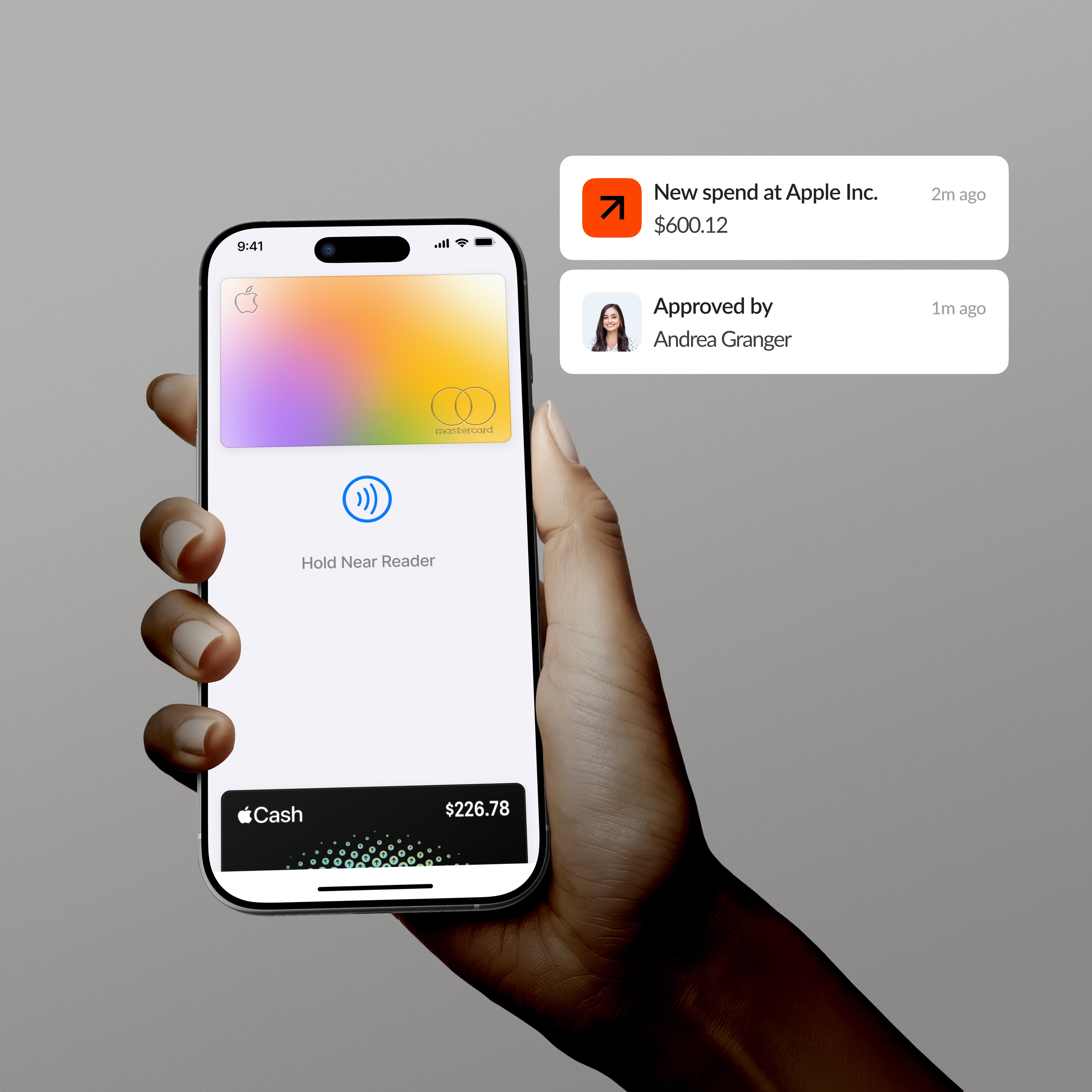
What does the Vergo + OpenGov integration do?
- Bring p-card spend, AP invoices and reimbursements into one coding model for OpenGov
- Read funds, departments and the chart of accounts out of OpenGov so spend is coded to your own structure
- Code every transaction by AI inference from your accounting structure and history — no rule library to build, and new vendors coded on first sight
- Read receipts line by line, predicting the coding from what was actually bought rather than the vendor name on the header
- Show why each coding was chosen, so review is confirmation rather than re-coding
- Post coded, approved entries into OpenGov Financials, receipts attached
- Work with the corporate, fuel and personal cards your business already holds — Vergo does not issue cards
P-card spend coded to fund and department at purchase
Cardholders code to fund and department when they buy, against the live structure Vergo reads from OpenGov's API — reconciliation becomes review, not archaeology.
AP automation that posts into OpenGov
Invoices route for approval in Vergo and post as coded entries into OpenGov Financials, with the invoice image attached.
Reimbursements with the same audit trail
Employee out-of-pocket spend follows the same coding and approval path as card spend, delivered in the same OpenGov-ready format.
App information
Security and compliance
Encryption
Infrastructure
Access controls
Audits
Frequently asked questions
Does Vergo integrate with OpenGov?
Yes. Vergo reads your fund, department, and account structure through OpenGov's developer API and posts accounting entries into OpenGov Financials.
Can Vergo handle our existing p-card program alongside OpenGov?
Yes. Cards are coded to fund and department at the point of sale, receipts captured immediately, and approvals completed before finance reviews — entries arrive coded and ready for OpenGov.
What data does Vergo read from OpenGov?
Your live chart of accounts, funds, and departments, via the documented developer API — so coding always matches current structure.
How long does setup take?
Days, not months. Your administrator enables API access once and Vergo handles the rest; your team confirms coding structure and import conventions. OpenGov is fully hosted, so nothing is installed.
Does OpenGov have built-in expense management?
OpenGov covers budgeting, financials, and reporting for local government. Corporate cards, receipt capture, and point-of-sale coding are the layer Vergo adds, posting coded entries into OpenGov.
Discover more integrations












































.png)












.png)

























.png)






.png)













































































































White-glove onboarding and customer support.
