



What does the Vergo + McLeod integration do?
- Read payee, billing and settlement records out of McLeod's web services so carrier and driver spend is coded to your own structure
- Cover card transactions, driver reimbursements and AP invoices through one coding model
- Code every transaction by AI inference from your accounting structure and history — no rule library to build, and new vendors coded on first sight
- Read receipts line by line, predicting the coding from what was actually bought rather than the vendor name on the header
- Show why each coding was chosen, so review is confirmation rather than re-coding
- Post coded entries into McLeod; McLeod stays the system of record
- Work with the corporate, fuel and personal cards your business already holds — Vergo does not issue cards
Expense management coded to your McLeod divisions
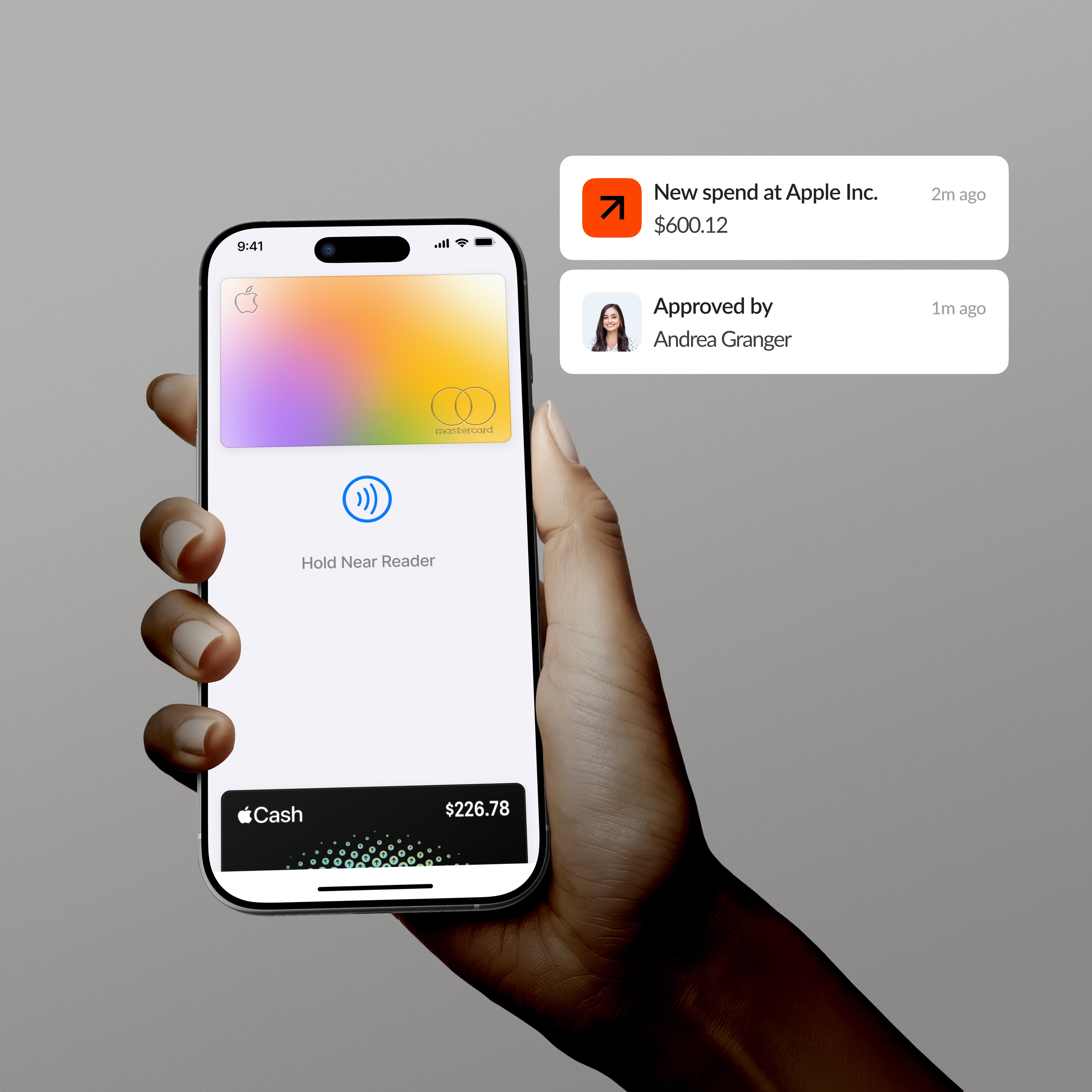
Connect the fuel and company cards your drivers already carry, from any bank. Fuel, tolls, and roadside repairs are coded at the point of purchase with the receipt attached, then posted into McLeod.
Vendor invoices captured and coded before accounting sees them
Small-vendor invoices are captured, coded to the right division and account, and approved in Vergo. Vergo posts the finished entries into McLeod through its web services.
Driver reimbursements on the same coding model
Out-of-pocket claims follow the same divisions, accounts, and approvals as card spend and arrive in the same batch, so reimbursed and card spend stay on one trail.
App information
Security and compliance
Encryption
Infrastructure
Access controls
Audits
Frequently asked questions
Does Vergo integrate with McLeod?
Yes. Vergo connects to McLeod's web services once your IT enables that access on your own system; Vergo manages the connection from there. That single enablement is all your team does.
Can Vergo handle driver fuel, repairs, and reimbursements for a McLeod fleet?
Yes. Fuel, tolls, roadside repairs, lumper fees, and out-of-pocket claims run through one coding model against your divisions and expense accounts.
What data syncs between Vergo and McLeod?
Vergo reads payee records through PayeeService, AR data through BillingService, and driver settlement data through SettlementService, and posts coded entries into McLeod.
Does Vergo write into the McLeod ledger?
Yes. Vergo posts coded entries into McLeod through its web services, under the posting controls your accounting team already runs.
Does McLeod have built-in expense management?
McLeod covers loads, billing, and driver settlements. Card connection, receipt capture, and coding at the point of spend is the part Vergo adds before the entry reaches accounting.
Discover more integrations




























































.png)




















.png)





































.png)







.png)


































































































































White-glove onboarding and customer support.
