





What does the Vergo + LexisNexis Juris integration do?
- Bring card transactions, employee reimbursements and AP invoices into one coding model for LexisNexis Juris
- Code spend to clients and matters in your own structure, so billable costs land where they belong
- Code every transaction by AI inference from your accounting structure and history — no rule library to build
- Read receipts line by line, predicting the coding from what was actually bought rather than the vendor name on the header
- Show why each coding was chosen, so review is confirmation rather than re-coding
- Connect with LexisNexis Juris and post coded entries into it; Juris stays the system of record
- Work with the corporate, fuel and personal cards your firm already holds — Vergo does not issue cards
Corporate card expense management
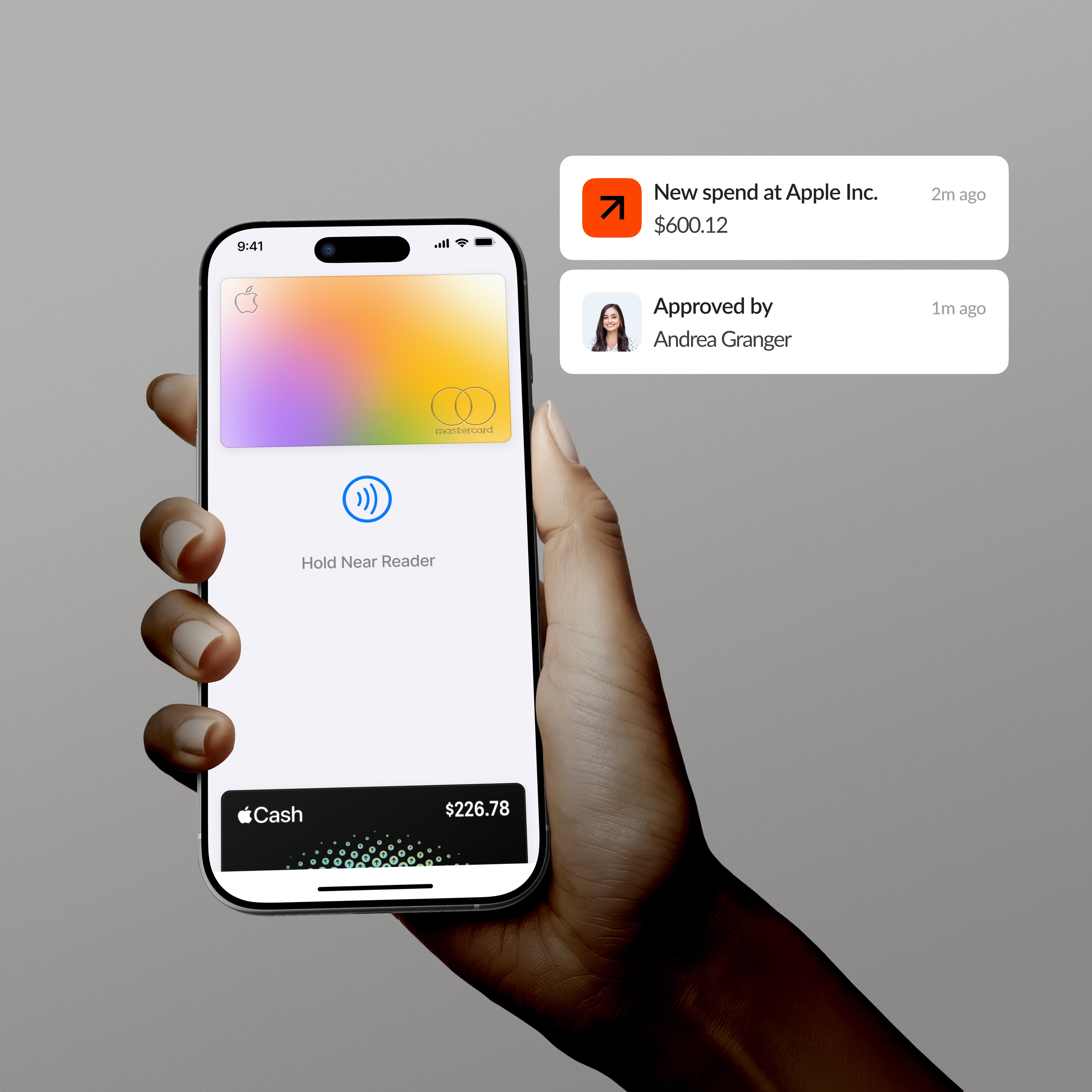
Card transactions are captured as they happen, matched to receipts, and coded to the right matter by inference from your own history. Finished entries are posted into LexisNexis Juris.
AP automation
Vendor invoices are read, coded to matter and routed for approval before payment — the same coding model as card spend, so nothing reaches LexisNexis Juris uncoded.
Reimbursements
Out-of-pocket spend follows the same approval path: employees submit, approvers see the proposed matter coding, and the finished entry is posted into LexisNexis Juris alongside card spend.
App information
Security and compliance
Encryption
Infrastructure
Access controls
Audits
Frequently asked questions
Does Vergo integrate with LexisNexis Juris?
Yes. Vergo connects with LexisNexis Juris. Vergo posts entries into LexisNexis Juris — card spend, AP invoices and reimbursements, each coded to the right matter before delivery.
Can Vergo handle AP automation for firms on LexisNexis Juris?
Yes. Vendor invoices are read, coded to the right matter and routed for approval in Vergo, alongside card spend and reimbursements — one approval and coding model for all three.
How does the data get into LexisNexis Juris?
Vergo posts entries into LexisNexis Juris, coded to matter. No claim is made beyond that: as the connection deepens through the vendor relationship, the page will say so.
What does our IT team have to do?
Enable API access once in your LexisNexis Juris environment. After that single step, Vergo manages the connection — LexisNexis Juris is on-premise, and no ongoing maintenance is needed from your side.
Does LexisNexis Juris have built-in expense management?
Juris is law-firm billing and accounting. Vergo sits in front of it as the capture layer — cards, receipts, approvals and matter coding — and posts entries into Juris.
Discover more integrations
































































.png)























.png)





































.png)







.png)

























































































































































White-glove onboarding and customer support.
