Learn
/
Expense management that works with Reynolds & Reynolds

Expense management that works with Reynolds & Reynolds

Vergo connects expense management to Reynolds & Reynolds. It codes every expense by inference from your accounting structure and history, syncs transactions in real time, and works with your existing credit cards. Card spend, employee reimbursements and AP invoices flow through one coding model and sync to Reynolds & Reynolds coded and ready to post.

July 29, 2026

Key takeaways

  • Vergo reads your Reynolds & Reynolds chart of accounts and codes every expense to the right account, department and class by inference, not rules.
  • You keep your existing corporate cards, fuel cards and reimbursement workflows — no card applications or banking changes required.
  • Card spend, employee reimbursements and AP invoices are coded by the same model and sync to Reynolds & Reynolds the same way.
  • Transactions are ready to code the moment they happen, and sync into Reynolds & Reynolds once they clear.

How the Reynolds & Reynolds sync works

Vergo reads your chart of accounts from Reynolds & Reynolds and codes every expense to the right account, department and class. Transactions are ready to code the moment they happen — no waiting for clearing — and once they clear, they sync into your accounting or ERP software coded and ready to post. The coding is proposed by inference from your own accounting structure and history, so new vendors are handled on first sight without needing to update keyword lists or rule libraries. Every coding shows why it was chosen, so a reviewer confirms in seconds instead of re-coding by hand.

Do we have to change cards?

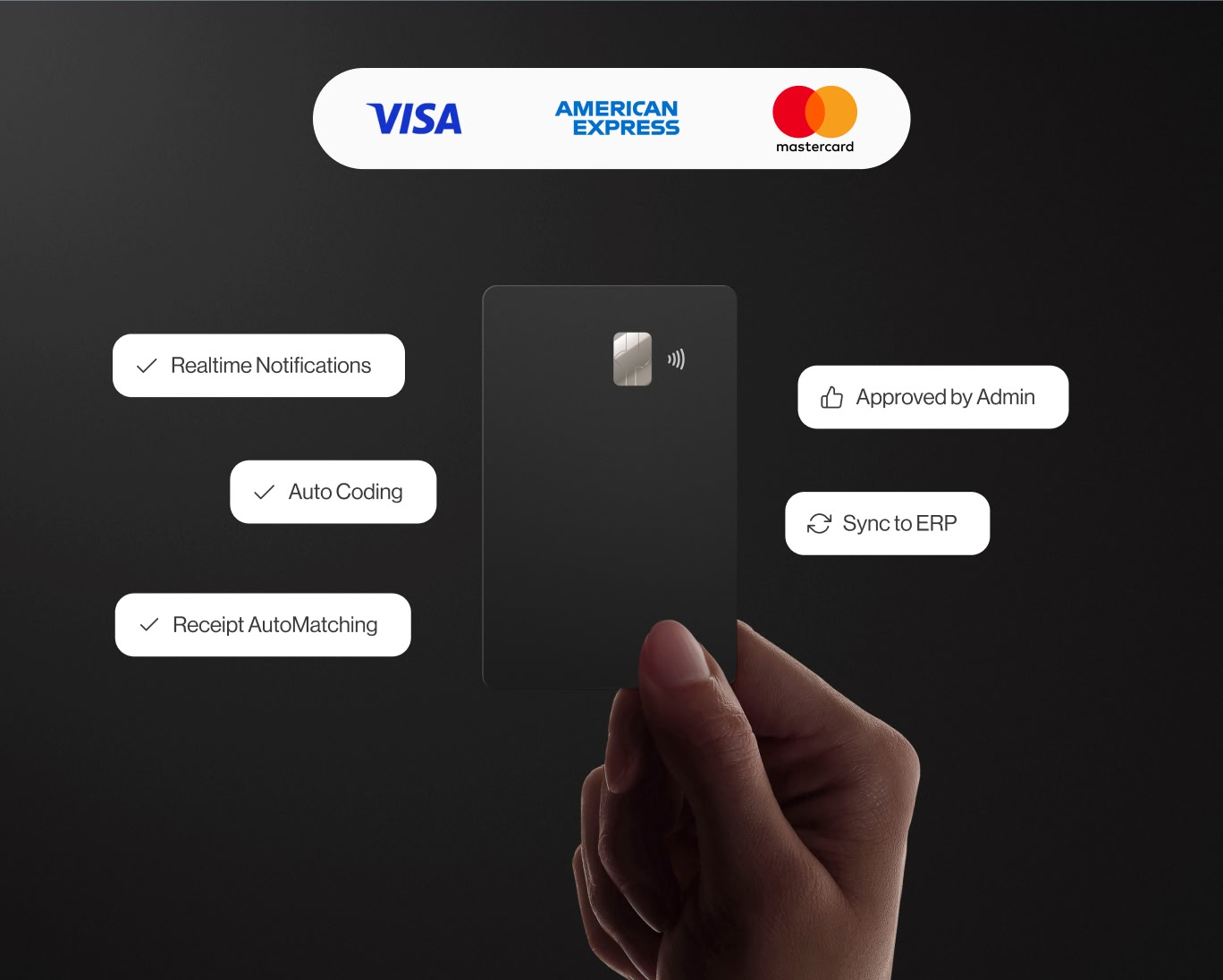
No. Vergo does not issue cards and never asks you to switch. It connects to the cards your business already holds — corporate cards, fuel cards, personal cards used for reimbursement — and connecting your existing cards involves no card applications, no re-issuing and no banking change. This card-agnostic design means expense management fits around the banking relationships and payment methods you already have in place. The platform handles spend visibility, coding and approval workflows regardless of which card network or issuer you use, so finance teams avoid the disruption of migrating employees to new plastic or renegotiating vendor relationships.

What is AI-native expense management?

Rules engines match text patterns; when a transaction does not match, a person codes it by hand. AI-native expense management proposes the coding by inference from your own accounting structure and history — no rule library to build, no keyword lists to maintain, and new vendors are coded on first sight. Every coding shows why it was chosen, so a reviewer confirms in seconds instead of re-coding by hand. This explainability is essential in industries like automotive retail, where transactions span parts inventory, service labor, reconditioning expense and flooring interest, and the consequence of miscoding is a misstated departmental P&L or incorrect job costing.

Who runs Reynolds & Reynolds?

Reynolds & Reynolds is run by large organizations in auto dealers. If your finance team lives in it, the expense layer should adapt to it — not the other way round. Dealerships operate with chart-of-account structures that reflect franchised departments, cost centers tied to manufacturer reporting requirements, and class tracking for flooring plans or wholesale operations. A platform built for generic SaaS companies will not accommodate those structures without extensive configuration, and forcing dealership workflows into a generic expense tool creates reconciliation friction that falls on the controller and accounting manager to resolve every month.

Do reimbursements and AP invoices work with Reynolds & Reynolds too?

Yes — the same coding model handles card spend, employee reimbursements and AP invoices, and all three sync to Reynolds & Reynolds the same way. Most tools treat these as separate products with separate coding setups; the same vendor coded two different ways is a reconciliation problem you inherit. When a technician submits a tool reimbursement and the parts manager pays a supplier invoice for the same job, both should code to the same cost center and class without the controller needing to intervene. Payment itself stays on the rails you already use — ACH runs, check stock, or existing AP automation — while Vergo handles capture, coding, approval routing and the sync to Reynolds & Reynolds.

How Vergo handles this

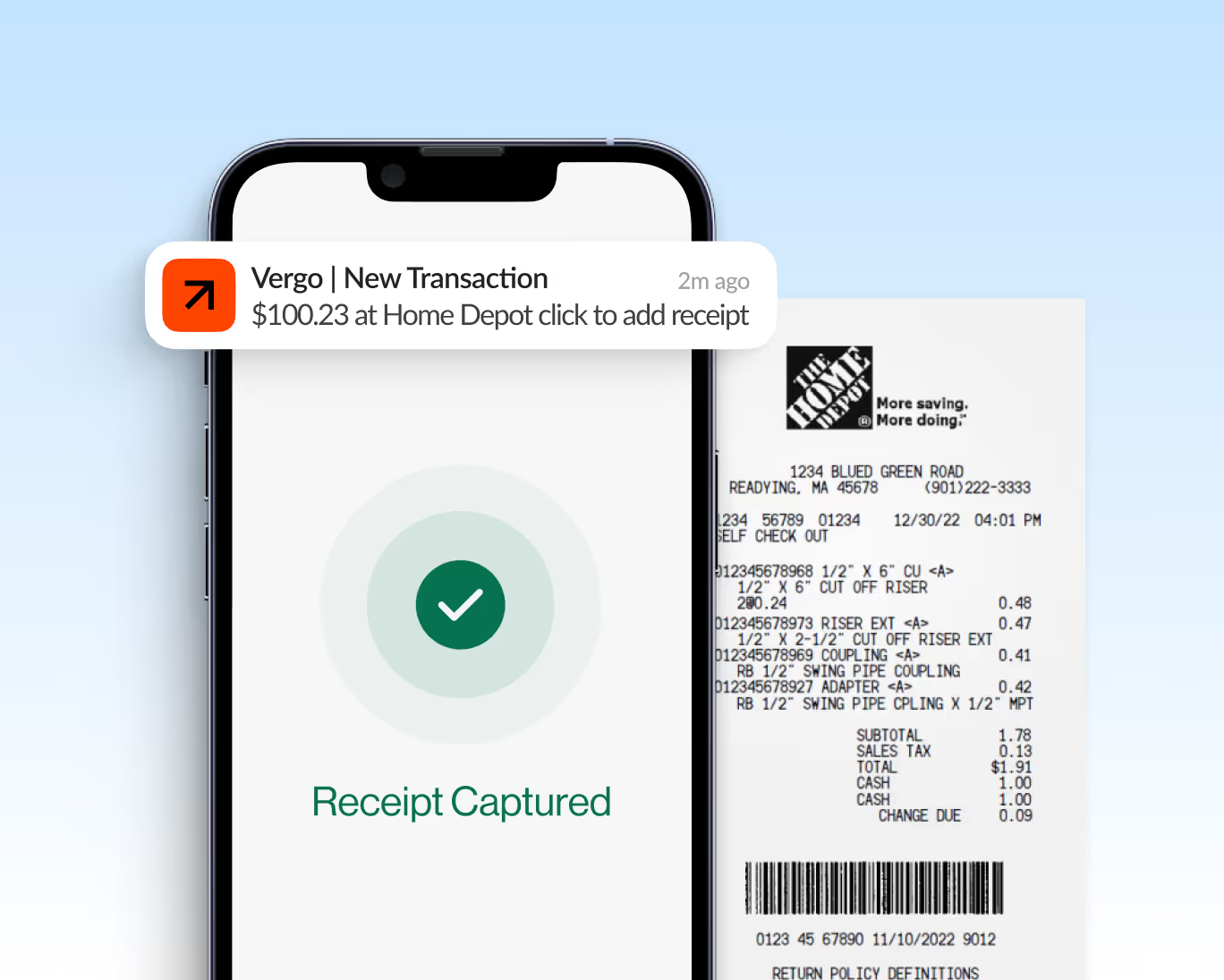
Vergo proposes the coding by inference from your own accounting structure and history — no rule library to build, no keyword lists to maintain, and new vendors are coded on first sight. Every coding shows why it was chosen, so a reviewer confirms in seconds instead of re-coding by hand. Transactions are ready to code the moment they happen — no waiting for clearing — and once they clear, they sync into your accounting or ERP software. Approval workflows are optional and fit how you already control spend: route by GL account or by amount — or skip approval flows entirely and let policy flags catch only what breaks a rule. Employees handle everything by text message — no app to download, no portal login — and Vergo chases missing receipts itself instead of waiting for a report. Card spend, employee reimbursements and AP invoices run through one coding model — same coding, same review, one reconciliation — and payment stays on the rails you already use. Connecting your existing cards involves no card applications, no re-issuing and no banking change. Vergo integrates with every ERP and accounting software, including Reynolds & Reynolds.

Does Vergo integrate with Reynolds & Reynolds?

Yes. Vergo connects expense management, reimbursements and AP capture to Reynolds & Reynolds, working with the cards your business already has.

Does Vergo replace Reynolds & Reynolds?

No. Reynolds & Reynolds stays your system of record. Vergo sits in front of it, coding and approving spend, then syncing clean entries in.

Which cards does it work with?

The ones you already have. Vergo is card-agnostic: it does not issue cards and connects to your existing business and corporate cards.